Natural medicine
Traditional Ethiopian medicine - the wisdom of the earth
Ethiopia - Abyssinia, Kush, the land of the dark-skinned. An ancient empire considered the jewel of Africa, an ecologically diverse land with more than sixty spoken languages. Life there was simple and close to nature: working the land, herding flocks, weaving, smithing, pottery and natural ways of healing, within a multi-generational tribal community.
So what happened to us?
Through the Ethiopian community that immigrated to Israel, the effects of a change in lifestyle are clearly visible. A 1991 study, during Operation Solomon, found a diabetes rate of only 0.4% among the new immigrants. Today rates in the community stand at around 8.9%. The emphasis is on the generation raised here, which adopted Western habits.
From life at nature's pace, slower, stress and mental disorders were not nearly so common.
One thing that struck me on my visits to Ethiopia was the feeling that time stood still. The phrase "in a little while" can take many hours - the very concept of time is different there. What we have in abundance in the Western world is the "gift of stress", which slowly drains our inner resources.
From the traditional kitchen
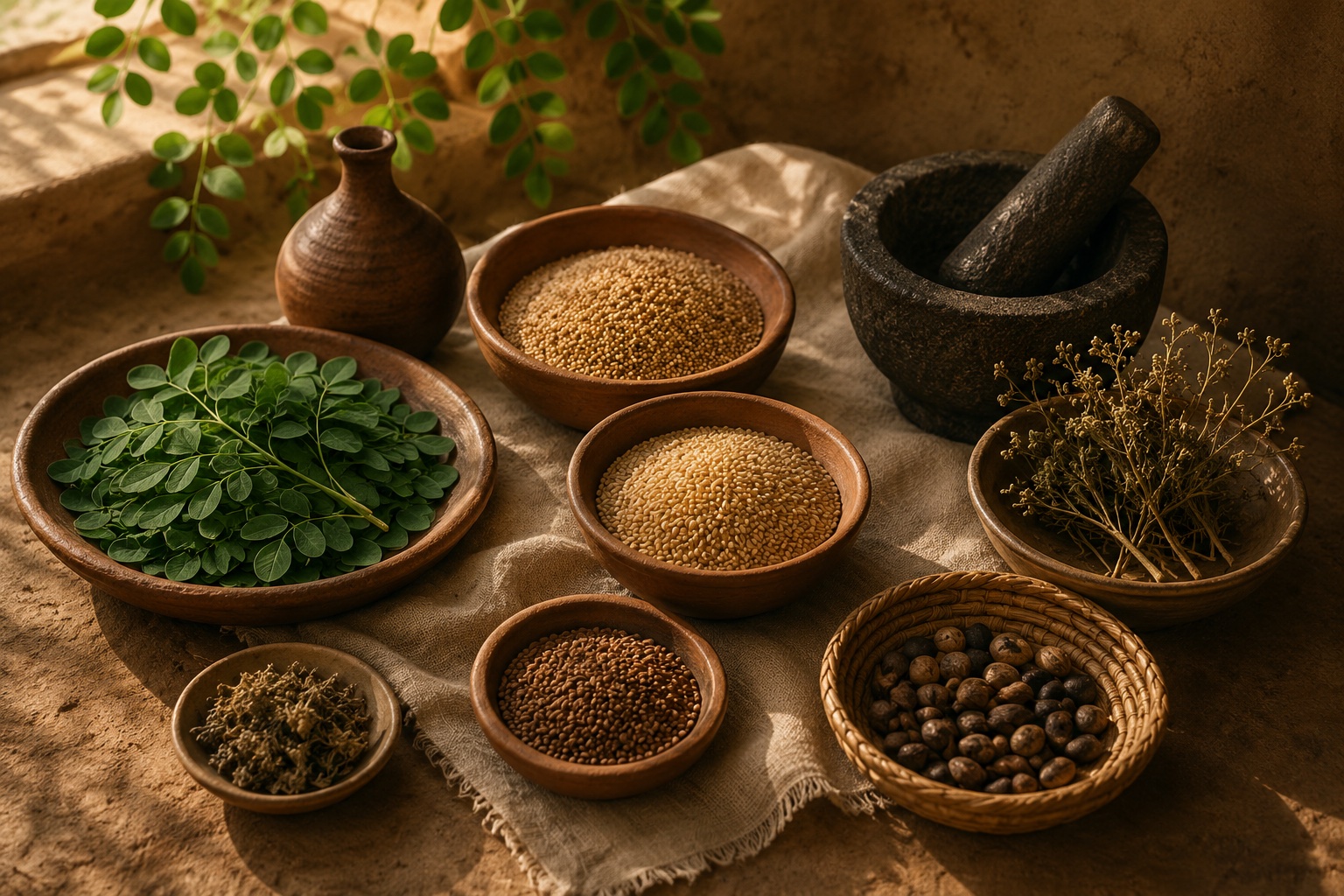
The Ethiopian kitchen is built on grains, seeds, medicinal herbs and spices, with little meat. A few of the notable ones:
- Moringa - the miracle tree, rich in antioxidants, balancing blood sugar and lipids and supporting the liver.
- Teff - a grain rich in calcium and iron, gluten-free, the base of injera.
- Abish (fenugreek) - stimulates appetite, eases stomach pain and helps balance blood sugar.
- Gesho - leaves that prevent nausea and cleanse the body.
And there is a long list of plants, seeds and ancient traditional secrets. You're welcome to attend my talk on traditional Ethiopian medicine.